Articles

Updates, information and articles from Hampton & South Medical Centre.

When Medical Information Leads Us in the Wrong Direction

September 16, 2026

Why a convincing scientific article doesn't always mean you need another blood test.

Hampton & South Medical Centre | Patient information.

We live in an age when almost anyone can access sophisticated medical information. Patients can search scientific journals, read specialist guidelines and ask artificial intelligence tools to interpret their symptoms and laboratory results.

This is generally a good thing. Patients who understand their health are better equipped to participate in decisions about their care.

But there is a potential problem.

A patient discovers an unusual blood test result, searches for an explanation and finds a scientific article describing a disease associated with that abnormality. Further searching uncovers additional articles supporting the possibility.

Before long, a convincing explanation has emerged, along with a growing list of investigations that appear necessary.

The problem is that the information may be entirely accurate, but its relevance to the individual patient may have been misunderstood.

Finding a possible explanation is not the same as establishing a likely diagnosis.

A simple example: a mildly abnormal liver test

Imagine a healthy adult who undergoes a blood test and discovers that one liver enzyme, alanine aminotransferase (ALT), is slightly above the laboratory reference range.

The patient feels well but searches the internet and discovers that elevated ALT can be associated with autoimmune hepatitis, viral hepatitis and other potentially serious liver diseases.

A scientific article explains that autoimmune hepatitis can sometimes be discovered in people who have no symptoms.

Naturally concerned, the patient requests an extensive battery of autoimmune tests, viral investigations and liver imaging.

The information they have found may be entirely correct.

But does it apply to them?

A mildly elevated ALT is a finding, not a diagnosis. Its significance depends on the degree of elevation, previous results, other liver tests, medications, alcohol consumption, metabolic risk factors and the patient's medical history.

A GP may recommend further investigations immediately, arrange repeat testing or refer the patient to a specialist, depending on the circumstances. Persistent abnormalities require appropriate assessment and should not simply be dismissed.

The patient has correctly discovered that autoimmune hepatitis is one possible explanation. However, they have not established that it is the most relevant explanation in their particular circumstances.

The challenge is determining which investigations are appropriate, rather than simply ordering every test mentioned in an article.

The missing ingredient: clinical judgement

Medical training involves considerably more than memorising diseases and their associated symptoms.

Over years of clinical practice, doctors develop what is sometimes called tacit knowledge: knowledge gained through experience that can be difficult to communicate through a textbook, checklist or website.

This includes recognising which minor laboratory abnormalities are commonly encountered, which patterns warrant concern, and which investigations are likely to influence treatment.

There is a fundamental difference between knowing that a disease can produce a particular result and knowing how likely that disease is to explain the result in an individual patient.

Consider the laboratory reference range.

For many tests, reference intervals are established to encompass approximately 95% of an apparently healthy reference population. This means some healthy individuals will have results outside those intervals.

A result falling just outside the quoted range does not automatically indicate disease.

Blood test results can also vary because of normal biological variation, time of day, recent illness, medication and laboratory measurement.

An experienced clinician considers the magnitude of an abnormality, its pattern over time, associated findings and the patient's overall circumstances.

A seemingly minor abnormality can occasionally be important. Conversely, a result flagged in red on a laboratory report may have little clinical significance.

The distinction requires judgement rather than simply identifying whether a number is above or below a reference limit.

How we can be led in the wrong direction

The process often begins with a reasonable question.

A patient notices an unexpected result and searches for possible causes. A search engine produces a list of conditions, including rare but serious diseases.

The patient then searches for more information about one of those diseases and finds a scientific article describing the association.

Perhaps an AI tool is asked to investigate further. It produces an impressive explanation, complete with references and a list of suggested tests.

Each successive search makes the original hypothesis appear increasingly plausible.

Yet the research may never address the most important question:

How likely is this condition in someone with my particular symptoms, history and pattern of test results?

A scientific article may accurately describe findings in patients who already have a particular disease. It does not necessarily tell us how frequently that disease occurs among otherwise healthy people with one borderline laboratory result.

This is a common source of misunderstanding.

The information is not necessarily wrong. It is being applied in the wrong context.

Searching repeatedly for evidence supporting one explanation can also lead us to overlook other possibilities, including the possibility that the original finding is not clinically significant.

Doctors are not immune to this problem either. Clinical training and experience help reduce the risk, but good practice also requires doctors to reconsider their initial impressions when new evidence emerges.

More tests do not necessarily mean better healthcare

This brings us to another common problem: the increasing popularity of large batteries of blood tests.

Some complementary healthcare providers, including naturopaths, recommend extensive panels covering vitamins, minerals, hormones and other biochemical markers, sometimes without a clear clinical indication.

Patients may also request these investigations themselves after encountering advertisements for comprehensive health checks or personalised wellness testing.

The underlying assumption is understandable: surely testing more things must provide a more complete picture of our health?

Unfortunately, it is not that simple.

Imagine ordering 20 independent tests, each with a reference interval encompassing 95% of healthy people. Even if the person is healthy, there is a substantial chance that at least one result will fall outside its reference range.

In practice, laboratory results are not always independent, and reference intervals differ, but the principle remains: the more tests ordered, the more incidental abnormalities we are likely to encounter.

An unexpected result can lead to further blood tests, imaging and specialist consultations. These may uncover additional incidental findings, each requiring another decision about whether investigation is necessary.

This phenomenon is sometimes called a diagnostic cascade.

The Royal Australian College of General Practitioners has described how excessive testing can generate incidental findings, further investigations and potential patient harm.

Reference: RACGP, We live in testing times – teaching rational test ordering in general practice.

https://www.racgp.org.au/afp/2014/may/we-live-in-testing-times

The potential consequences include unnecessary expense, anxiety, false alarms and occasionally treatment for conditions that would never have caused harm.

None of this means that doctors should avoid investigating genuine abnormalities. It means that investigations need a clear purpose.

Before ordering a test, the important questions are: What condition are we considering? How likely is it? What will we do if the result is positive, negative or borderline?

For further discussion, see our related article on battery testing.

Testosterone: a common example of testing without a clear indication

One increasingly familiar request in general practice is for testosterone testing.

Men may have read that testosterone levels decline with age or encountered advertisements linking low testosterone to fatigue, reduced energy, weight gain and other common experiences.

They may request a testosterone level as part of a routine health check, even when there are no clinical features suggesting androgen deficiency.

However, declining testosterone levels with age do not automatically indicate a pathological hormone deficiency requiring treatment.

A man who has developed normal male secondary sexual characteristics, such as facial hair, and has normal sexual function may have no obvious reason to suspect androgen deficiency. These findings alone do not exclude it, but they contribute to the overall clinical assessment.

Symptoms such as reduced libido, erectile dysfunction, infertility, loss of body hair or unexplained osteoporosis may warrant further assessment, depending on the circumstances.

The Endocrine Society of Australia advises that testosterone testing should follow clinical suspicion of pathological androgen deficiency rather than being used for general population screening.

Reference: Endocrine Society of Australia, Position statement on male hypogonadism: assessment and indications for testosterone therapy.

https://www.mja.com.au/journal/2016/205/4/endocrine-society-australia-position-statement-male-hypogonadism-part-1

When testing is appropriate, testosterone levels need to be measured under suitable conditions, generally in the morning, and an unexpectedly low result requires confirmation and interpretation.

A single low result does not necessarily establish a diagnosis.

Likewise, testosterone replacement is appropriate for established pathological hypogonadism, regardless of age, but is not automatically indicated for age-related decline alone.

The aim is to diagnose and treat genuine disease, not to treat every numerical change associated with getting older.

Medicare does not fund every requested test

There is another important consideration: Medicare has specific requirements governing when certain pathology tests qualify for a rebate.

Patients may assume that a blood test is automatically covered because their GP has requested it.

That is not necessarily the case.

A doctor must consider both the clinical appropriateness of an investigation and the relevant Medicare Benefits Schedule (MBS) requirements.

Two examples illustrate the distinction.

Vitamin D

Vitamin D testing is not recommended as a routine screening test for everyone.

Medicare restricts rebates for vitamin D testing to specified clinical circumstances, including suspected osteoporosis or osteomalacia, malabsorption, chronic and severe lack of sun exposure, particular medication use and certain other recognised risk factors.

A patient does not necessarily qualify for a Medicare-funded vitamin D test simply because they would like to know their level.

The complete eligibility requirements are available under Medicare Benefits Schedule item 66833.

https://www9.health.gov.au/mbs/fullDisplay.cfm?q=66833&type=item

Vitamin B12

Medicare requirements for vitamin B12 testing were revised on 1 July 2025.

The standard vitamin B12 test, item 66838, is generally limited to once every 11 months.

However, an additional item, 66842, allows more frequent testing when specified clinical circumstances are present.

These include patients requiring monitoring of B12 treatment, those with diets low in vitamin B12, certain gastrointestinal conditions, relevant medication use and persistent symptoms meeting the item requirements.

These exceptions matter. The rules do not mean that patients with a genuine medical need must simply go without testing.

References:

Medicare Benefits Schedule item 66838:

https://www9.health.gov.au/mbs/fullDisplay.cfm?q=66838&type=item


Medicare Benefits Schedule item 66842:

https://www9.health.gov.au/mbs/fullDisplay.cfm?criteria=&q=66842&qt=item&type=item


The examples illustrate why a GP may decline a request or explain that a particular test is not eligible for a Medicare rebate.

A clinically appropriate investigation can sometimes fall outside Medicare's funding requirements. Conversely, a patient's willingness to pay privately does not automatically make a test medically worthwhile.

Doctors have obligations too

Doctors cannot simply order whatever investigations a patient requests without considering their clinical relevance.

Medicare benefits are intended for clinically relevant services, and medical practitioners are expected to understand and comply with the applicable requirements.

Inappropriate practice can result in professional review and consequences such as repayment of Medicare benefits, counselling, reprimands or restrictions on Medicare billing.

This does not mean a GP should refuse every test that falls outside routine practice.

There will be circumstances where an unusual investigation is justified, particularly when symptoms, examination findings or previous results warrant further assessment.

However, the decision should arise from a reasoned clinical assessment rather than simply from a patient's request or a recommendation generated by an internet search.

It is also worth remembering that different doctors may make different decisions in situations where the evidence is uncertain.

The fact that another practitioner is willing to order a test does not, by itself, establish that the investigation is necessary, just as declining a test does not automatically mean that a patient's concerns have been dismissed.

Where does artificial intelligence fit in?

AI has made medical information more accessible than ever before.

It can explain complicated terminology, summarise scientific articles and help patients prepare questions for their doctor.

However, AI systems can also produce highly persuasive explanations that give insufficient attention to the probability of a diagnosis or the limitations of the available information.

An AI tool asked, "Could this abnormal result be caused by a particular disease?" may correctly answer yes and produce an extensive explanation supporting that possibility.

That is not the same question as, "Given everything we know about this patient, what is the most appropriate next step?"

The latter requires a broader assessment of the clinical picture, including information that may not have been provided to the AI system.

Even a response containing legitimate scientific references can be misleading if it focuses on a possible diagnosis without adequately considering how likely that diagnosis is.

AI can assist clinical reasoning, but it should not be mistaken for a complete clinical assessment.

Should patients stop researching their health?

Absolutely not.

Patients should be encouraged to understand their medical conditions, ask questions and participate in decisions about their treatment.

Sometimes patients identify important information that deserves further investigation. Doctors also need to remain open to new evidence and reconsider their assessments when circumstances change.

However, it is worth approaching medical information with a degree of caution.

Rather than asking only whether a particular disease could explain a symptom or abnormal result, it is often more useful to ask how likely the explanation is, what other possibilities exist, and whether the proposed investigation will meaningfully influence management.

A GP who recommends against an investigation may be recognising that the proposed test is unlikely to provide useful information or could generate more uncertainty than it resolves.

Sometimes the right decision is to investigate immediately. Sometimes it is to monitor the situation, repeat a test or seek specialist advice.

And sometimes the right decision is not to order another test at all.

The take-home message

Good healthcare is not about ordering the greatest number of tests. It is about ordering the right tests, for the right reasons, at the right time.

Medical information helps us understand what is possible.

Clinical judgement helps us determine what is relevant.

The two work best together.

This article provides general health information and is not a substitute for an individual medical assessment. Decisions about investigations should take account of a patient's symptoms, medical history, examination findings and clinical circumstances.


When a Naturopath or Wellness Practitioner Suggests Blood Tests

July 8, 2026

Patients sometimes ask their GP to order blood tests recommended by a naturopath, wellness practitioner, nutritionist or other non-medical provider.

These requests may include hormone panels, thyroid panels, cortisol levels, insulin levels, vitamin levels, iron studies or other broad “wellness” investigations.

It is understandable to want more information about your health. However, in conventional medical practice, tests are usually ordered to answer a specific clinical question — not simply to check a long list of levels.

Why your GP may not order every requested test

A GP is responsible for any test they request. This includes deciding whether the test is clinically appropriate, interpreting the result, arranging follow-up and managing any abnormal findings.

For this reason, your GP may not be able to order tests simply because another practitioner has suggested them.

The issue is not whether you are willing to pay. The issue is whether the test is medically indicated, likely to be useful, and appropriate for your GP to interpret and act on.

Why broad testing can be unhelpful

Many blood test results vary naturally depending on timing, diet, sleep, stress, menstrual cycle, exercise, illness, medications and other factors.

Broad testing can sometimes create more confusion than clarity. Mildly abnormal or borderline results may not explain symptoms and may not require treatment. They can also lead to unnecessary worry, repeat testing, referrals or further investigations.

In some situations, testing without a clear clinical question may result in overdiagnosis or unnecessary treatment.

When testing may be appropriate

Your GP can assess your symptoms, medical history, medications, family history and examination findings to decide whether testing is needed.

For example, targeted tests may be appropriate when there are symptoms or clinical features suggesting:

  • thyroid disease
  • diabetes or metabolic problems
  • iron deficiency or anaemia
  • vitamin deficiency
  • hormonal conditions
  • inflammatory or autoimmune disease
  • kidney or liver disease
  • medication side effects

In these cases, your GP may recommend specific investigations rather than a broad screening panel.

What if another practitioner wants the tests?

If a naturopath or wellness practitioner wants tests for their own assessment, the most appropriate approach is usually for that practitioner to contact the pathology provider directly and arrange private testing.

The practitioner requesting the tests should also be responsible for explaining why the tests are needed, interpreting the results and providing follow-up advice.

What your GP can do

Your GP can:

  • review your symptoms and concerns
  • decide whether medical testing is indicated
  • order appropriate evidence-based investigations
  • explain what the results mean
  • arrange follow-up if results are abnormal
  • refer you to a specialist if needed

Your GP can also review test results ordered elsewhere, but may still need to interpret them within a conventional medical framework.

Key message

Blood tests can be very useful when ordered for the right reason.

However, broad panels requested by naturopaths or wellness practitioners are not automatically appropriate for a GP to order. Testing should be guided by symptoms, clinical findings and a clear medical question.

If another practitioner wants specific tests for their own assessment, they should usually arrange those tests directly with the pathology provider and provide the follow-up advice.

Statins: a natural discovery from fungi, and why they still matter

June 21, 2026

Many patients who are interested in natural therapies are surprised to learn that one of the most important modern heart medications has its origins in nature — specifically in fungi.

The story begins with Professor Akira Endo, a Japanese biochemist who died in 2024 at the age of 90. Endo had a lifelong interest in fungi and moulds. In the early 1970s, while working in Japan, he screened thousands of fungal extracts looking for a substance that could block cholesterol production. His work led to the discovery of the first statin, compactin, from a Penicillium mould.

There is a strong historical parallel with the discovery of penicillin. Alexander Fleming observed that a Penicillium mould could kill bacteria. Endo, decades later, discovered that another fungal product could inhibit cholesterol production. In both cases, careful observation of nature led to a major medical advance.

This is worth remembering because statins are sometimes seen as “unnatural” drugs. In fact, the first statins came directly from a natural source. Modern statins are more refined, reliable and carefully dosed, but their origin is very much in the natural world.

Why take a statin?

Statins reduce LDL cholesterol, often called “bad cholesterol”. LDL cholesterol is one of the main drivers of plaque build-up in arteries. These plaques can gradually narrow blood vessels, but they can also rupture suddenly and cause a clot, leading to a heart attack or stroke.

Statins help in several ways. They lower LDL cholesterol, reduce inflammation within plaques, and help stabilise plaques so they are less likely to rupture. This plaque-stabilising effect is one of the reasons statins are so important in preventing heart attacks and strokes.

One of the challenges in preventive medicine is that coronary artery disease can be silent. A person may feel well and still have significant plaque in the heart arteries. For some people, a heart attack or sudden cardiac death is the first sign that they had coronary artery disease.

This is why cardiovascular risk assessment matters, particularly for men over 50 and for people with risk factors such as high blood pressure, diabetes, borderline diabetes, smoking history, family history of premature heart disease, or raised cholesterol.

A coronary artery calcium score is a very useful test in selected patients. It is a CT scan that measures calcified plaque in the coronary arteries. It does not require dye and is usually quick. A score of zero is reassuring, while a higher score suggests a greater plaque burden and a higher future cardiovascular risk. It can be especially helpful when deciding whether a statin is appropriate in someone whose risk is not obvious from cholesterol numbers alone.

The death of Shane Warne at age 52 made many Australian men think about their own heart risk. I do not know his personal medical history and it would not be appropriate to speculate. However, his death is a reminder that middle-aged men, even those who appear active or well, should not ignore cardiovascular risk assessment. In some people, earlier detection of coronary plaque may lead to preventive treatment that changes the outcome.

What is a meta-analysis?

A meta-analysis is a study that combines results from multiple previous studies. Rather than relying on one trial alone, researchers pool data from many trials to get a clearer and more reliable answer.

A particularly strong type is an “individual participant data meta-analysis”. Instead of just using the summary results from each trial, researchers analyse the original data from individual participants. This allows more precise assessment of benefits and side effects.

The latest major statin safety paper, published in The Lancet, looked at adverse effects listed in statin product information. This is important because product information leaflets can list many possible symptoms, but not all of them are necessarily caused by the medication.

The researchers analysed data from large double-blind randomised controlled trials. “Double-blind” means that neither the patients nor the treating doctors knew who was taking the statin and who was taking placebo. This is important because many symptoms — tiredness, aches, poor sleep, headache, memory concerns, nausea, low mood — are common in the general population. If they occur just as often in people taking placebo, it suggests they may not be caused by the statin itself.

The Lancet analysis found that most side effects listed in statin product information were not clearly caused by statins when tested properly in blinded trials. In particular, the evidence did not support statins causing most of the listed problems such as cognitive impairment, depression, sleep disturbance or peripheral neuropathy.

This does not mean statins have no side effects. It means the true risks appear to be smaller and more specific than many people fear.

Real side effects still matter

The balanced message is that statins are generally very well tolerated, but they are not side-effect free.

The best-known issue is muscle pain or, much more rarely, true muscle inflammation or injury. If a patient develops new muscle aching, weakness or tenderness after starting or increasing a statin, a blood test called creatine kinase, or CK/CPK, can help check for muscle inflammation.

However, CK testing is usually most useful when symptoms are present. In a patient without muscle symptoms, routine CK monitoring is not usually necessary. Also, if a patient has mild symptoms but has a strong cardiovascular reason for taking a statin, it is not always necessary to stop or reduce the medication immediately. The decision depends on the severity of symptoms, CK level, cardiovascular risk and patient preference.

Statins can also slightly increase blood glucose and HbA1c. In most people this is small. However, in someone with diabetes, borderline diabetes, or a strong family history of diabetes, it is worth being aware of. In some patients already close to the diabetes threshold, a statin may bring forward a diagnosis of diabetes. This does not usually outweigh the cardiovascular benefit, but it does mean HbA1c should be monitored sensibly.

The latest Lancet meta-analysis also found small increases in some liver blood test abnormalities, but not an increase in serious liver disease such as liver failure or hepatitis. This supports the usual clinical approach: check liver tests when starting or adjusting treatment, but do not assume that every minor abnormality means the medication must be stopped.

What about tendonitis?

Tendonitis is less well known than muscle symptoms. It is also less clearly established. There are case reports and observational concerns about tendon pain or tendon injury in some people taking statins, but the evidence is not as strong as it is for rare muscle injury.

Still, in a patient with ongoing or unexplained tendonitis — especially if symptoms began after starting a statin or increasing the dose — it is reasonable to review the timing, consider other causes, and discuss whether a dose reduction, change of statin, or temporary trial off the medication is appropriate.

This should be individualised. Patients should not stop a statin abruptly without discussing it, particularly if they have known coronary disease, a previous heart attack or stroke, diabetes, a high calcium score, or other significant cardiovascular risk.

Which statin?

My personal preference is often rosuvastatin. It is potent, convenient, and in my clinical experience often well tolerated. It can achieve a strong LDL reduction at relatively low doses. Some patients who have not tolerated one statin may tolerate another, so it is worth individualising treatment rather than assuming “all statins are the same”.

The best statin is the one that achieves the risk reduction needed and that the patient can comfortably continue long term.

Natural does not mean unscientific

For patients interested in natural therapies, the history of statins is a useful reminder that “natural” and “medical” are not opposites.

Penicillin came from mould. Statins came from fungi. Many important treatments began with observations from nature. The real question is not whether a treatment is natural or synthetic, but whether it is safe, effective, appropriate for the individual patient, and monitored carefully.

Statins are not needed by everyone. But for patients with increased cardiovascular risk, known plaque, diabetes, a high coronary calcium score, or previous cardiovascular disease, they remain one of the most important preventive treatments available.

The aim is not simply to lower a number on a blood test. The aim is to reduce the chance of heart attack, stroke and sudden death.

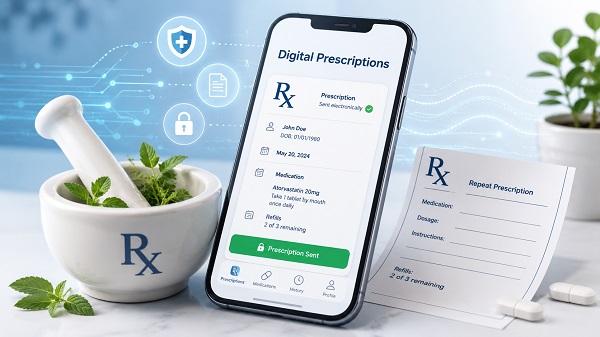
Apps to track your prescriptions: Active Script List / My Script List

May 6, 2026

Many people now receive prescriptions as electronic “tokens” by SMS or email. This is convenient, but it can also become messy — especially if you have several regular medicines, repeats, or scripts from different doctors.


A useful option is the Active Script List, also known as My Script List or MySL. This is a digital list of your current active prescriptions, including electronic prescriptions and barcoded paper prescriptions. Once it is set up, new eligible prescriptions can be added automatically, and you do not need to hunt through old SMS messages for individual prescription tokens. (Australian Digital Health Agency)

How do you get started?

To use an Active Script List, you generally need to be registered through a participating pharmacy, or through a prescriber if their software supports it. In practice, for most patients, the easiest route is to ask their pharmacy to help. The Australian Digital Health Agency says patients can set up an ASL by visiting a pharmacy with a mobile phone and identification, and that most community pharmacies can register patients for the service. (Australian Digital Health Agency)

The pharmacy can provide an ASL activation code. This is the code you can then enter into a compatible app so the app can connect to your My Script List. MedAdvisor’s support information also states that patients must obtain an ASL activation code from a pharmacist and consent by SMS or email to link the account. (support.medadvisor.com.au)

You do not necessarily have to use the pharmacy’s own app

Many pharmacy chains have their own apps. These can be convenient, especially if you usually attend the same pharmacy.

However, you can also use more general prescription-wallet apps that are not tied to a particular pharmacy chain. Examples include:

  • Scriptyhttps://www.getscripty.io
  • MedAdvisor — commonly used by many pharmacies, but also supports Active Script List connection

Scripty says it can connect to ASL/MySL and automatically pull in new scripts and repeats once linked. Its app listing also describes automatic syncing with My Script List. (Scripty) MedAdvisor similarly provides instructions for connecting the app to Active Script List using an ASL activation code. (support.medadvisor.com.au)

Unlike the Pharmacy based appts, apart from the ASL activation code, Scripty does not require an 'Activation Code' from the Pharmacy. To obtain such you need to be on the Pharmacy's database ie you've been dispensed prescriptions or at least have provided your Medicare and other details. It is likely the same arrangement with MedAdvisor.

A practical example from the clinic

We recently helped a patient install Scripty on his phone while he was at the clinic. After installing the app, he logged in using his Google account, although other sign-in options were also offered.

He obtained his ASL activation code from a TerryWhite Chemmart pharmacy. This involved SMS consent. The pharmacy sent him a link to activate their own app, but we wanted to see whether the ASL code could also be used in a more generic app. It could: he entered the ASL code into Scripty and the app accepted it.

Interestingly, only one prescription appeared initially — a paper prescription. A recent eScript did not show up. One possible explanation is that the ASL may have been activated only after that eScript had already been dispensed, or that the prescription had not been added to the list in the expected way. This is an observation from one patient’s experience, not a definitive rule.

Important points

The Active Script List is optional. It requires your consent, and you remain in control of who can access your list. MySL describes the service as allowing patients and chosen health professionals to see prescriptions available for dispensing, with the patient controlling which pharmacies and doctors have access. (MySL)

It may also be possible to use an app without connecting ASL, but then the app may behave more like a manual script wallet rather than updating automatically. The main benefit of connecting ASL is that current scripts and repeats can sync automatically without relying on separate SMS tokens.

There is also a privacy and security consent process before these apps connect. Scripty is operated by Oexa Pty Ltd, and Scripty describes itself as integrating with My Script List / ASL. (Scripty) MySL’s terms explain that prescription information is accessed from prescription systems and displayed through authorised partners, subject to consent and the MySL framework. (MySL)

The take-home message

If you are comfortable using apps on your phone, the Active Script List can make prescription management easier. You can ask your pharmacy for an ASL / MySL activation code, then use either the pharmacy’s own app or a compatible general app such as Scripty or MedAdvisor.

You do not need to rely only on SMS prescription tokens, and you may not need to be locked into a single pharmacy chain’s app. The key is obtaining your ASL activation code and giving the required consent. Once linked, the app should be able to show your active prescriptions more conveniently in one place.

Understanding “Off Label” Prescribing and Compounded Medicines

April 19, 2026

Patients are sometimes surprised to learn that a medicine may be prescribed for a use that does not appear in its official approved indications. This is commonly referred to as off label prescribing.

In Australia, medicines are regulated by the Therapeutic Goods Administration (TGA). When a prescription medicine is approved, the TGA assesses evidence relating to its quality, safety and efficacy for particular uses. These approved uses are listed in the medicine’s Product Information (PI), which doctors can access through clinical prescribing software and reference systems.

Most prescription medicines approved for supply in Australia display AUST R followed by a number on the packaging. This indicates inclusion on the Australian Register of Therapeutic Goods (ARTG).

What does “off label” mean?

Off label prescribing occurs when a registered medicine is prescribed:

  • for a condition not specifically listed in the Product Information
  • at a different dose
  • in a different age group
  • by a different route of administration
  • or otherwise outside the approved Australian indications.

This does not automatically mean the treatment is inappropriate. In some areas of medicine, off label use is common and supported by specialist experience or published evidence.

Where compounded medicines fit in

There can be overlap between compounded medicines and off label prescribing.

A compounded medicine is typically prepared by a compounding pharmacy to create a customised formulation, dose, strength, or combination that is not readily available as a standard commercial product. This may occur where a patient has special requirements, allergies, swallowing difficulties, or needs a formulation not otherwise available.

Sometimes compounded medicines are used as part of an off label treatment strategy, particularly when no standard Australian product exists in the required form. However, compounding and off label use are not identical concepts:

  • A medicine can be off label without being compounded.
  • A compounded medicine may or may not involve off label use.

Where a pharmacy compounds a medicine, responsibility rests with the manufacturer/compounder to ensure appropriate standards of quality, safety and efficacy.

Confusion from overseas internet information

Confusion can arise when patients research medicines online.

A medicine found on overseas websites may have different approved uses, strengths, formulations, brand names, or regulatory status in another country. Some medicines approved overseas may not be approved in Australia for the same indication, and some products sold online may not meet Australian regulatory standards.

For this reason, internet information should be interpreted cautiously. What is approved in the United States, United Kingdom or elsewhere does not necessarily mean the same approval applies in Australia.

My practice approach

At this clinic, my usual approach is to require a written recommendation from an appropriate specialist who has experience in the proposed off label use of the medication in question.

This helps ensure:

  • the treatment is clinically justified
  • recognised alternatives have been considered
  • benefits and risks are clearly assessed
  • monitoring arrangements are appropriate
  • prescribing remains evidence-informed and patient-centred.

The key principle

Whether a medicine is standard, compounded, or proposed for off label use, the central questions remain:

  • Is the product of appropriate quality?
  • Is it likely to be safe?
  • Is there sound evidence it will help?
  • Is it suitable for the individual patient?

Careful prescribing decisions are best made through discussion between patient, GP, and where appropriate, the relevant specialist.

Flu Vaccine 2026 — What’s New This Year?

April 11, 2026

Influenza vaccines for 2026 are now available at Hampton and South Medical Centre. Here’s a quick summary of what’s new this year and who should consider vaccination.

What's New in 2026

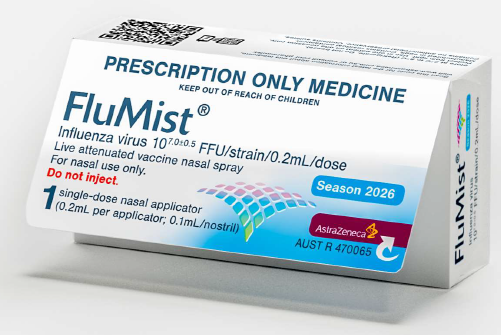
New Option: FluMist® Intranasal Vaccine

For the first time in Australia, a nasal spray flu vaccine is available.

  • Age group: Children 2–17 years
  • Type: Live attenuated (weakened) influenza virus
  • Administration: Medically supervised
  • Cost: Approximately $50 (via pharmacies/private prescription)

This may be particularly helpful for children who are anxious about injections.

FluMist is not recommended for children with moderate to severe immunocompromise or during pregnancy.

2026 Influenza Strains

This year’s vaccines are trivalent (3 strains), updated to match circulating viruses:

  • A/Missouri/11/2025 (H1N1)pdm09
  • A newer H1N1 strain
  • Updated from recent Northern Hemisphere surveillance
  • Designed to improve protection against evolving H1N1 variants
  • A/Singapore/GP20238/2024 (H3N2)-like virus
  • H3N2 strains often cause more severe illness in older adults
  • This update reflects recent circulating global strains
  • B/Austria/1359417/2021 (Victoria lineage)-like virus
  • Influenza B strain
  • Continues to circulate internationally
  • Particularly relevant for children and younger adults

These strains are selected annually using global WHO surveillance data to match expected circulating viruses.

Vaccines Available at Hampton and South Medical Centre

We currently stock:

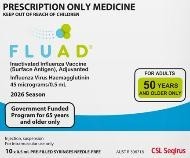
Fluad®

  • Recommended for age 65+
  • Contains an adjuvant to boost immune response
  • Particularly helpful due to immunosenescence (age-related immune decline)


Vaxigrip®

  • Standard influenza vaccine
  • Suitable for adults and children (depending on eligibility)


Free Vaccines — Who Is Eligible?

Eligibility under the National Immunisation Program remains unchanged:

Free flu vaccines are available for:

  • Children 6 months to under 5 years
  • Pregnant women (any stage)
  • First Nations people 6 months and over
  • Adults 65 years and over
  • People 6 months and over with certain medical conditions including:
  • Heart disease
  • Lung disease
  • Diabetes
  • Kidney disease
  • Immunocompromise
  • Neurological conditions

Can Flu Vaccines Be Given With Other Vaccines?

Yes — influenza vaccines can safely be given at the same visit as:

  • RSV vaccine (pregnancy and infants; private for older adults)
  • Whooping cough vaccine
  • COVID-19 booster
  • Shingles vaccine

We now have COVID-19 vaccines available at Hampton and South Medical Centre, allowing convenient same-day vaccination.

COVID booster recommendations:

  • Age 65+: annually
  • Age 75+: every 6 months

Why Vaccination Matters — Especially With Age

During the pandemic we learned about immunosenescence — the immune system becomes less effective with age.

Vaccination helps:

  • Reduce severity of illness
  • Reduce hospitalisation
  • Reduce risk of influenza pneumonia
  • Reduce ICU admission risk

Even if vaccination doesn't prevent infection entirely, it often prevents severe illness.

Additional Ways to Reduce Flu Risk

Simple measures still help:

  • Hand washing
  • Coughing into your elbow
  • Staying home when unwell
  • Wearing a mask when appropriate

I particularly recommend mask use during air travel — having personally reviewed cabin air quality data, transmission risk remains significant in crowded airport and boarding environments.

When to Get Vaccinated

  • Vaccination is recommended from April onwards
  • Protection develops in 10–14 days
  • Vaccination can still be given later in the season

Book Now

Appointments are now available at Hampton and South Medical Centre.

Flu vaccination remains the most effective way to reduce your risk of serious influenza this winter.

Bulk billed Women’s Health Assessments

April 8, 2026

We’re pleased to offer new Medicare-funded health assessments specifically designed for women navigating menopause and perimenopause. These longer, in-depth consultations were introduced by the Federal Government in July 2025 as part of a commitment to improving women’s health, and recognise how challenging this life stage can be.

Common symptoms such as hot flushes, brain fog, mood changes, sleep disturbance, and fatigue can significantly affect day-to-day wellbeing. These Medicare-covered assessmen

ts are designed to better understand and manage these hormonal transitions.


Each consultation runs for at least 20 minutes and includes:

  • A comprehensive medical history and menopausal assessment
  • Physical examination (including blood pressure, height and weight)
  • Discussion of appropriate investigations and referrals — including cervical screening, mammography, bone density scans and ovarian cancer screening advice
  • Management planning, covering both non-medication and medication-based strategies
  • Preventative health advice on nutrition, physical activity, smoking, alcohol and weight management


At our clinic, Dr Michael Daly works closely with Registered Nurse Monica, who is available to assist during your visit, providing a team-based, supportive approach to your care.


If you are experiencing symptoms of menopause or perimenopause, contact us to book your Medicare-funded assessment today.

Commonwealth Seniors Health Card — Often Overlooked

April 5, 2026

Many Australians assume they won’t qualify for government concessions once they retire — particularly if they own assets or have super.
But the Commonwealth Seniors Health Card (CSHC) is based on income only — not assets — and the income limits are surprisingly generous.

Why this matters

Unlike the Age Pension:

  • No assets test
  • Only income matters
  • You can still be working
  • Super balances don’t automatically disqualify you

This means self-funded retirees — even with substantial savings — may still qualify.

Current Income Limits (Approx.)

You may qualify if your annual income is below:

  • Single: about $101,105 per year
  • Couple (combined): about $161,768 per year
  • Couple separated due to illness: about $202,210

There is no assets test for eligibility.

These thresholds are far higher than many people expect — meaning many retirees who assume they are ineligible may actually qualify.

What You Can Save

The Commonwealth Seniors Health Card can provide:

  • 💊 Cheaper PBS medications
  • 🩺 Potential bulk-billing or reduced medical fees
  • Utility concessions (state-based)
  • 🚍 Transport concessions (state-based)
  • 👂 Hearing, dental or other health concessions (varies by state)

These savings can add up to thousands of dollars per year depending on circumstances.

Important: Not the Same as the Victorian Seniors Card

This is often confused with the Victorian Seniors Card, but they are very different.

Commonwealth Seniors Health Card

  • Federal Government card
  • Income tested (but no assets test)
  • Provides PBS medication discounts
  • May allow bulk-billing or reduced medical fees
  • Can provide significant financial savings

Victorian Seniors Card

  • Victorian State Government card
  • Not income tested
  • Mainly provides retail discounts and transport concessions
  • No PBS medication benefits
  • Usually offers modest savings rather than major health cost reductions

Many people have the Victorian Seniors Card and assume they already have all available concessions — but the Commonwealth Seniors Health Card is often far more valuable.

Who Should Consider Applying?

You may qualify if you:

  • Are Age Pension age (currently 67)
  • Do not receive the Age Pension
  • Have moderate income but significant assets
  • Are a self-funded retiree
  • Still work part-time

Many eligible Australians never apply simply because they assume their assets disqualify them — which is not the case.

Apply or Learn More

Official Services Australia link:

👉 Commonwealth Seniors Health Card — Services Australia

A Quietly Valuable Benefit

The Commonwealth Seniors Health Card is one of the most under-recognised concessions available to older Australians — particularly self-funded retirees.

Given the generous income limits and absence of an assets test, it’s worth checking eligibility even if you think you won’t qualify.

New Options for Weight Management

April 5, 2026

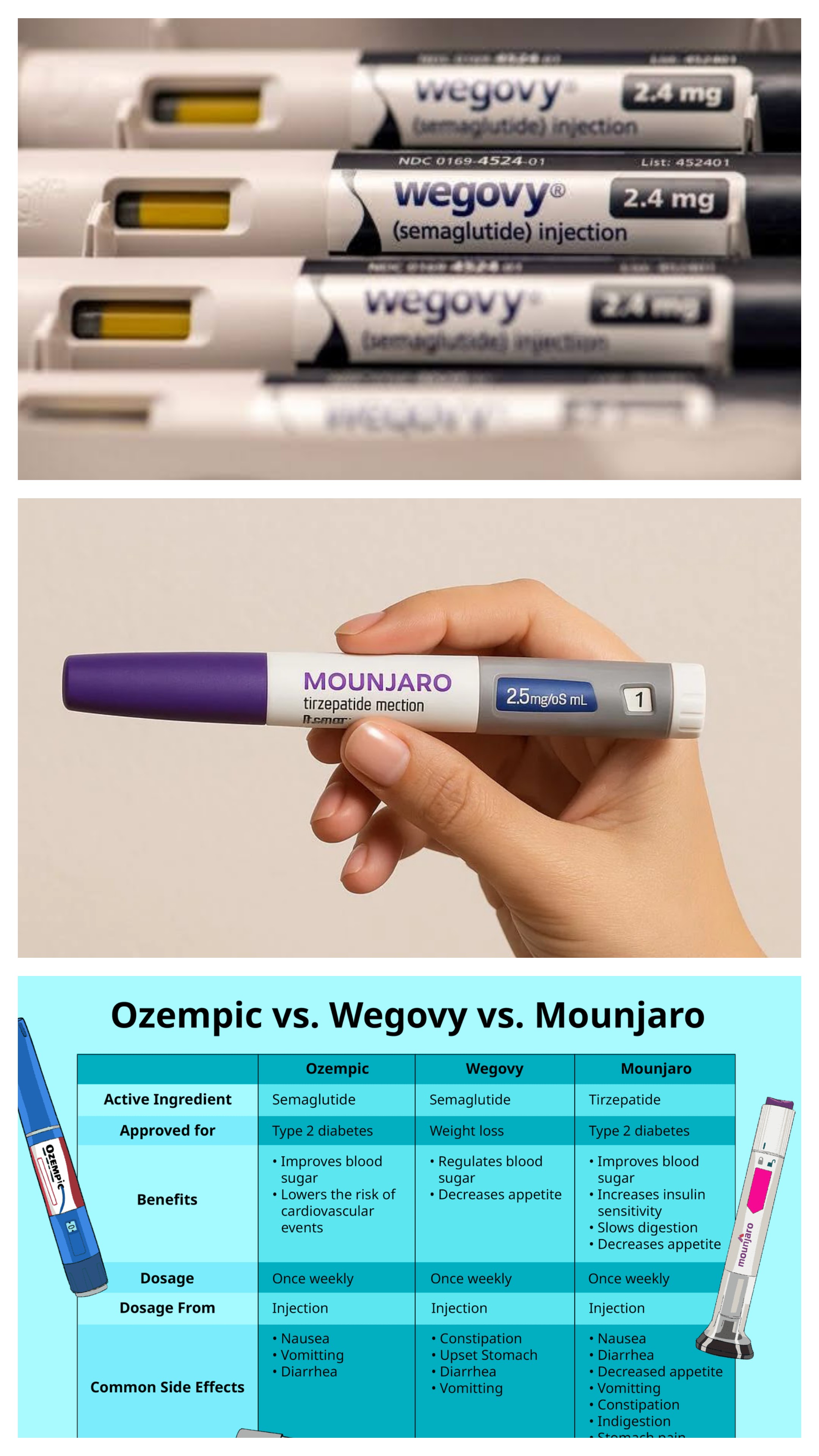
New medications known as GLP-1 receptor agonists are increasingly being used to assist with weight loss. These include:

  • Wegovy (semaglutide)
  • Mounjaro (tirzepatide)

These medications work by:

  • Reducing appetite
  • Increasing feelings of fullness
  • Slowing stomach emptying
  • Improving blood sugar control

Many patients experience significant weight loss, particularly when combined with dietary changes and lifestyle adjustments.

Tablet Versions May Be Coming

At present, most of these medications are given as weekly injections.

However, tablet (oral) versions are being developed and may become more widely available in the future, which may make treatment easier for some patients.


An Important Consideration — Coming Off Treatment

One important issue with these medications is what happens when they are stopped.

Research and clinical experience suggest that:

  • Appetite often returns
  • Weight regain can occur
  • Long-term lifestyle support becomes important

For this reason, if stopping medication is planned, it is usually best done gradually, where possible, and with a structured plan in place.

Dietitian Support is Often Helpful

We often recommend dietitian consultation when starting or stopping these medications.

A dietitian can assist with:

  • Sustainable eating patterns
  • Maintaining weight loss
  • Preventing weight regain
  • Healthy nutritional intake

This support can make a significant difference to long-term success.

Mental Health and Eating Patterns

Weight gain and eating patterns are sometimes influenced by:

  • Stress
  • Anxiety
  • Low mood
  • Emotional eating
  • Sleep disruption

If any of these factors may be contributing, counselling or psychological support may also be helpful.

Addressing these underlying issues can help ensure more sustainable long-term outcomes.

Is This Treatment Suitable?

These medications are not suitable for everyone, and decisions should be made individually after discussion.

Factors considered include:

  • Current weight and BMI
  • Other medical conditions
  • Current medications
  • Previous weight loss attempts
  • Long-term goals

If You Would Like to Discuss Further

If you would like to discuss whether GLP-1 medications such as Wegovy or Mounjaro may be appropriate for you, please feel free to make an appointment.

We are happy to discuss:

  • Benefits and risks
  • Availability
  • Cost considerations
  • Long-term management strategies

Hampton & South Medical Centre

Supporting sustainable, healthy weight management

```